
AI Workloads are
Facing a Cooling Crisis
Our Revolutionary Plasma Disinfection System™ (PDS) is the Solution
Reverse lonizer™ provides a better way to operate cooling towers
By mitigating bacteria, viruses, and scale buildup that provide greater eneray and water efficiencies to lower OpEx
reduce heat transfer
by up to 30%
Even a thin layer of biofilm can
35% of Data
Center operators
report being consistently out of cooling capacity
By eliminating 99% of bacteria
energy efficiency can increase up to 30%
The Problem:
-
Biofilm is an invisible layer of microorganisms (as thin as a human hair) embedded in a slimy extracellular matrix that sticks to the heat surfaces of chillers and causes significant heat transfer loss.
-
Bio contaminants (such as algae blooms) form in direct-to-chip cooling piping, causing potential significant chip damage and major computing disruption.
Biofilm and bio contaminants compromise heat transfer efficiency in chillers and direct-to-chip cooling, leading to asurge in electricity and water consumption,e.g., higher Power Usage Effectiveness (PUE) and Water Usage Effectiveness (WUE).

The Solution:
-
Creates low concentrations of biocides H₂O₂, O₃, UV light, shock waves
-
Kills or disables free-floating bacteria, parasites & viruses
-
Bleach & Bromine kill all free-floating bacteria
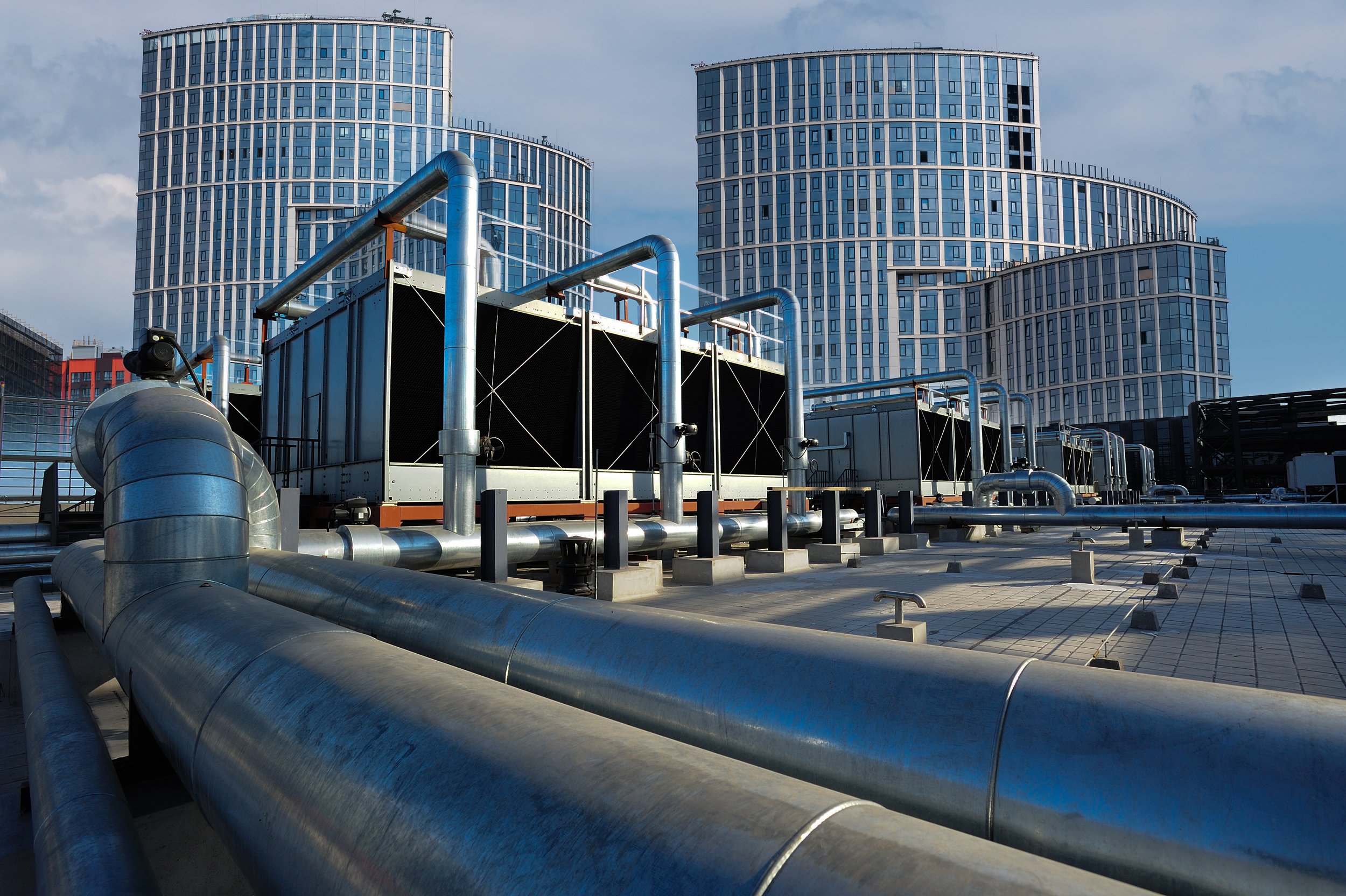
Our breakthrough Plasma Disinfection System™ (PDS) solution is designed for use in existing and new evaporative cooling towers and direct-to-chip cooling systems.
The PDS continuously controls biofilm in chillers to optimize heat transfer efficiency and kills bacteria, parasites and destroys viruses (including COVID-19) and bio contaminants (such as algae blooms) by combining non-thermal plasma discharges with other traditional treatment mechanisms.
The PDS also utilizes proprietary software and IoT monitoringto store system parameters that can send system alerts, resulting in a more responsive and energy efficient cooling system.
Controlling biofilm and bio contaminants reduce concentrations of Legionella bacteria and bio contaminants to non-detectable levels, increasing the owner/operator’s electricity and water efficiencies, while reducing risks of Legionellosis infections, legal issues, and reputational damage.